Solar kWh

kWh

The solar kilowatt-hour is the unit that makes 0Solar real.

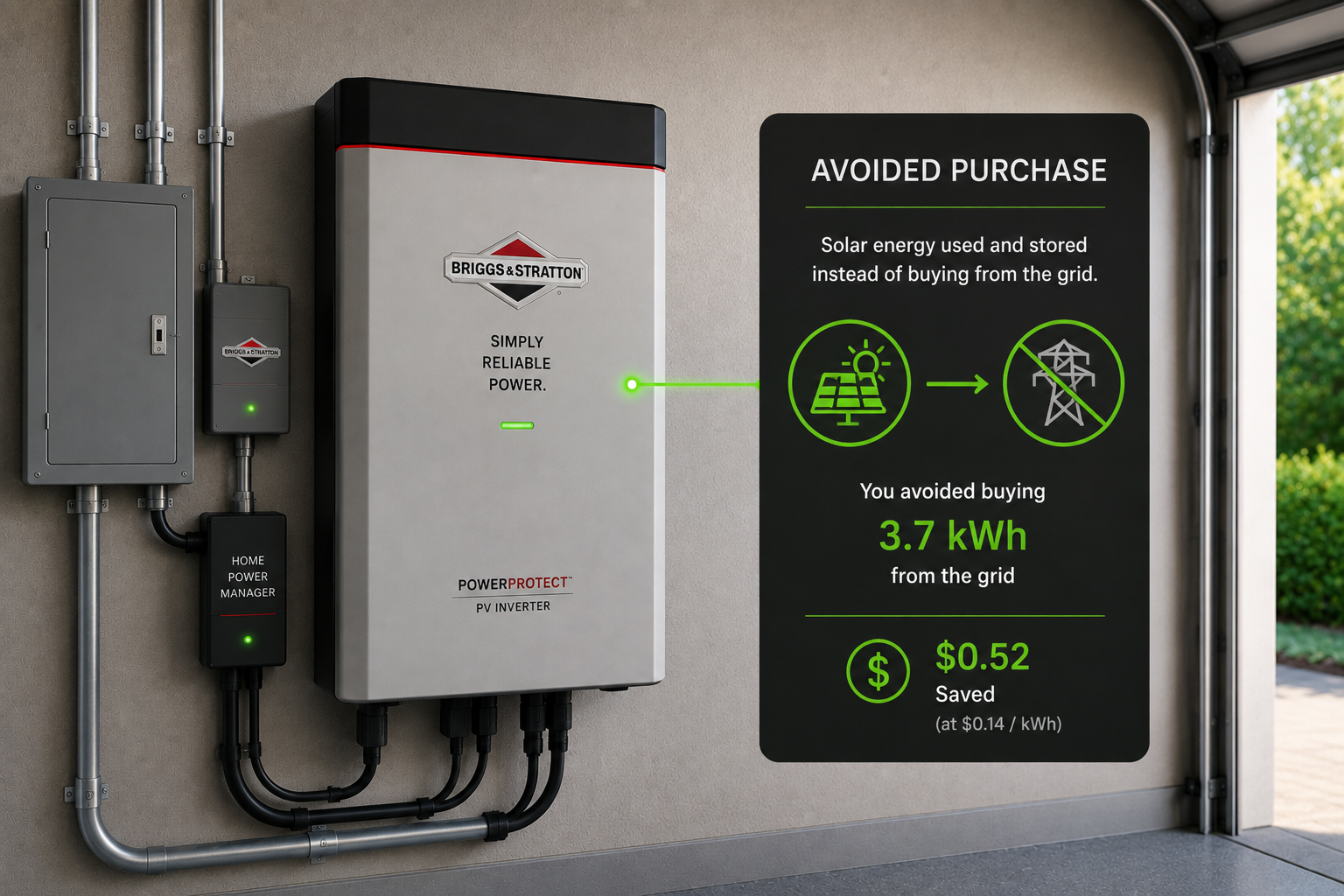
A solar kWh is electricity your system produces. When you use it onsite, it becomes a kWh you did not have to buy from the utility.

0Solar.com is built around this simple idea: produce more usable solar kWh, keep more of the value, and purchase less electricity over time.

Solar kWh value depends on usage, rate schedule, utility rules, system design, equipment, batteries, weather, financing, taxes, and applicable law.

A kilowatt-hour is electricity measured over time.

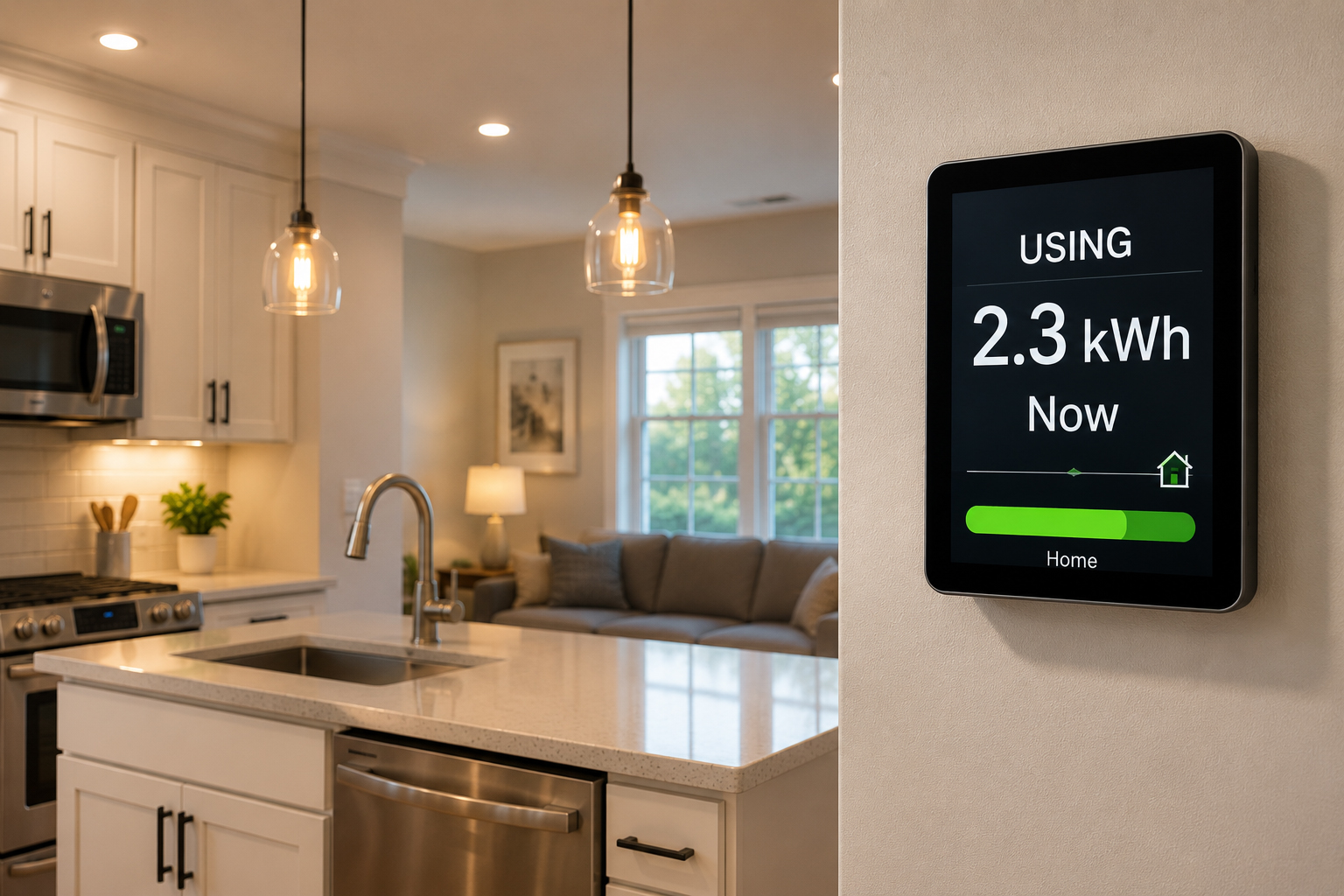
A kilowatt is power. A kilowatt-hour is energy. If a device uses one kilowatt for one hour, it uses one kilowatt-hour, written as 1 kWh.

Your utility bill charges you for kWh. Your solar system produces kWh. 0Solar focuses on replacing purchased utility kWh with self-produced solar kWh.

Why a solar kWh has value

A solar kWh has value because it can reduce the amount of electricity you purchase. The strongest value often comes when the kWh is used directly onsite.

Solar panels producing electricity on a rooftop

Produced on your property

A solar kWh is created by equipment you invested in. Your roof, building, parking lot, or land becomes part of your energy production.

Solar electricity being used inside a home

Used by your loads

When your home or business uses solar electricity as it is produced, you are using energy that did not need to come from the utility.

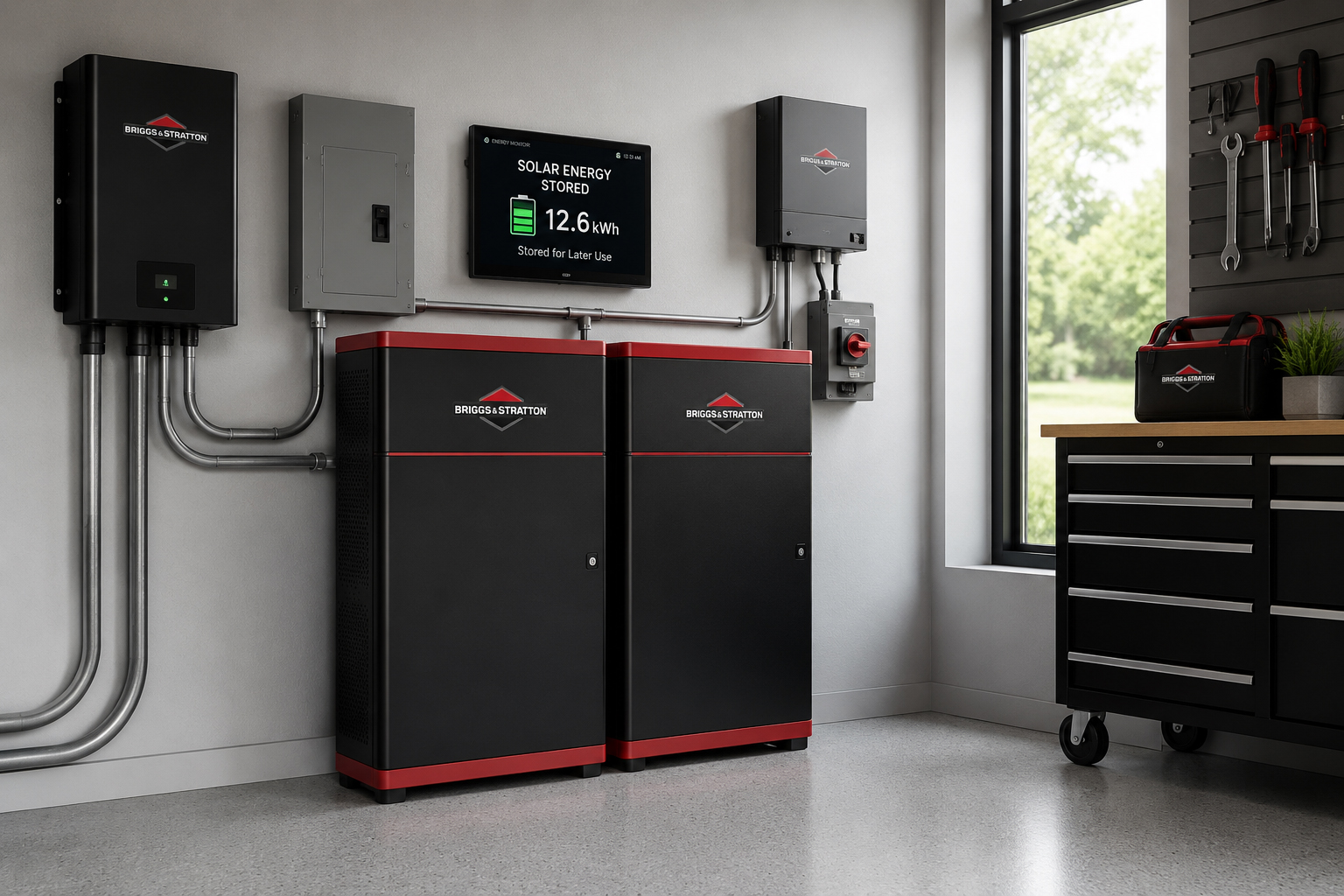
Battery storing solar kilowatt-hours

Stored for later

Batteries can store solar kWh for evening use, peak-rate periods, outage support, and selected critical loads when designed properly.

Not every kWh has the same value.

The value of a solar kWh depends on when it is produced, when it is used, what the utility charges for electricity, and how exports are credited.

01

Self-used solar kWh

A kWh produced and used onsite can avoid buying that kWh from the utility. This is often the cleanest and strongest solar value.

02

Exported solar kWh

A kWh sent to the grid may receive a credit, but that credit may be lower than the price you pay to buy electricity later.

03

Stored solar kWh

A kWh stored in a battery can be used later, but battery capacity, efficiency, state of charge, and load selection all matter.

04

Peak-hour solar value

In time-of-use rates, electricity can be more expensive during certain hours. Batteries and load strategy can help target higher-value periods.

05

Backup solar value

During outages, solar plus batteries may support selected loads. Backup value is not just financial; it can be comfort, safety, and continuity.

A solar kWh used onsite is a kWh you did not buy.

That is the practical math behind 0Solar.

The solar kWh journey

The best solar designs think about the entire journey of a kWh: production, conversion, use, storage, export, and avoided purchase.

Sunlight reaching solar panels

1. Sunlight

Solar production begins when sunlight reaches the panels. Shade, roof angle, orientation, weather, and panel placement affect production.

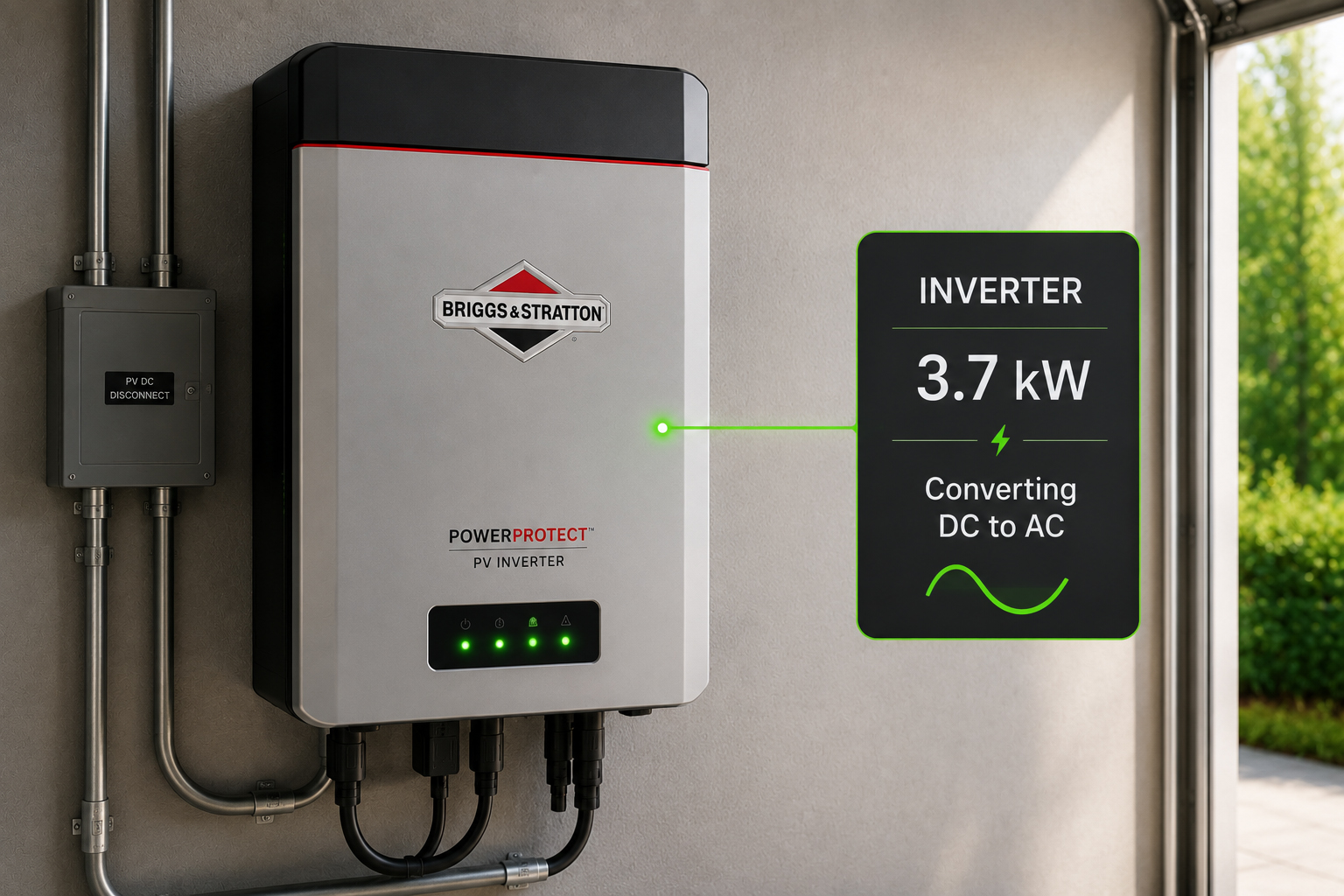
Solar inverter converting power

2. Conversion

The inverter converts solar electricity into usable power for your home or business. The equipment selection matters.

Home appliances using solar power

3. Loads

Your loads are what actually use electricity: air conditioning, refrigeration, lighting, computers, pumps, EV chargers, and appliances.

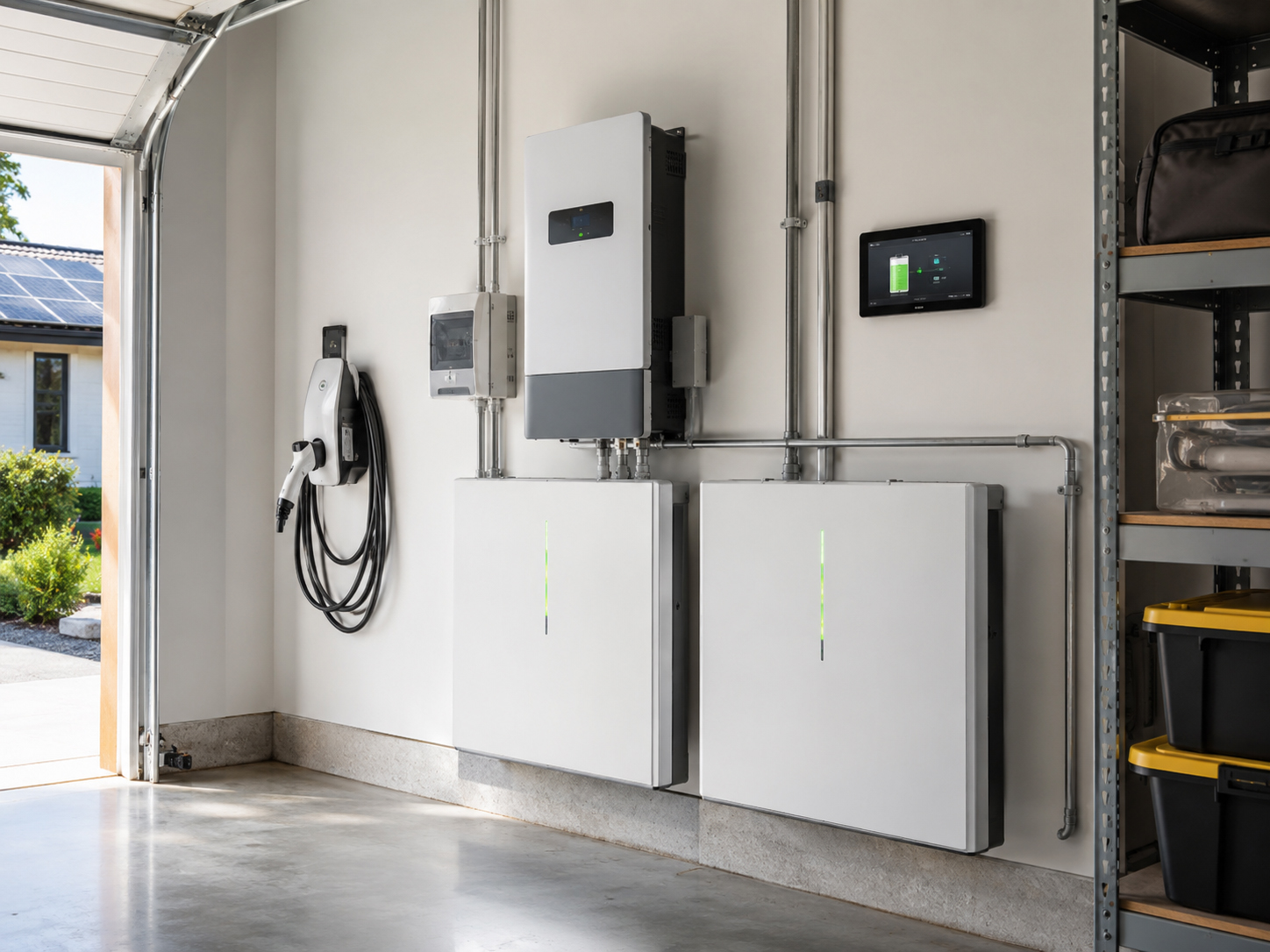
Solar battery system storing energy

4. Storage

A battery can hold solar kWh for later use. Storage helps when solar production and electricity usage do not happen at the same time.

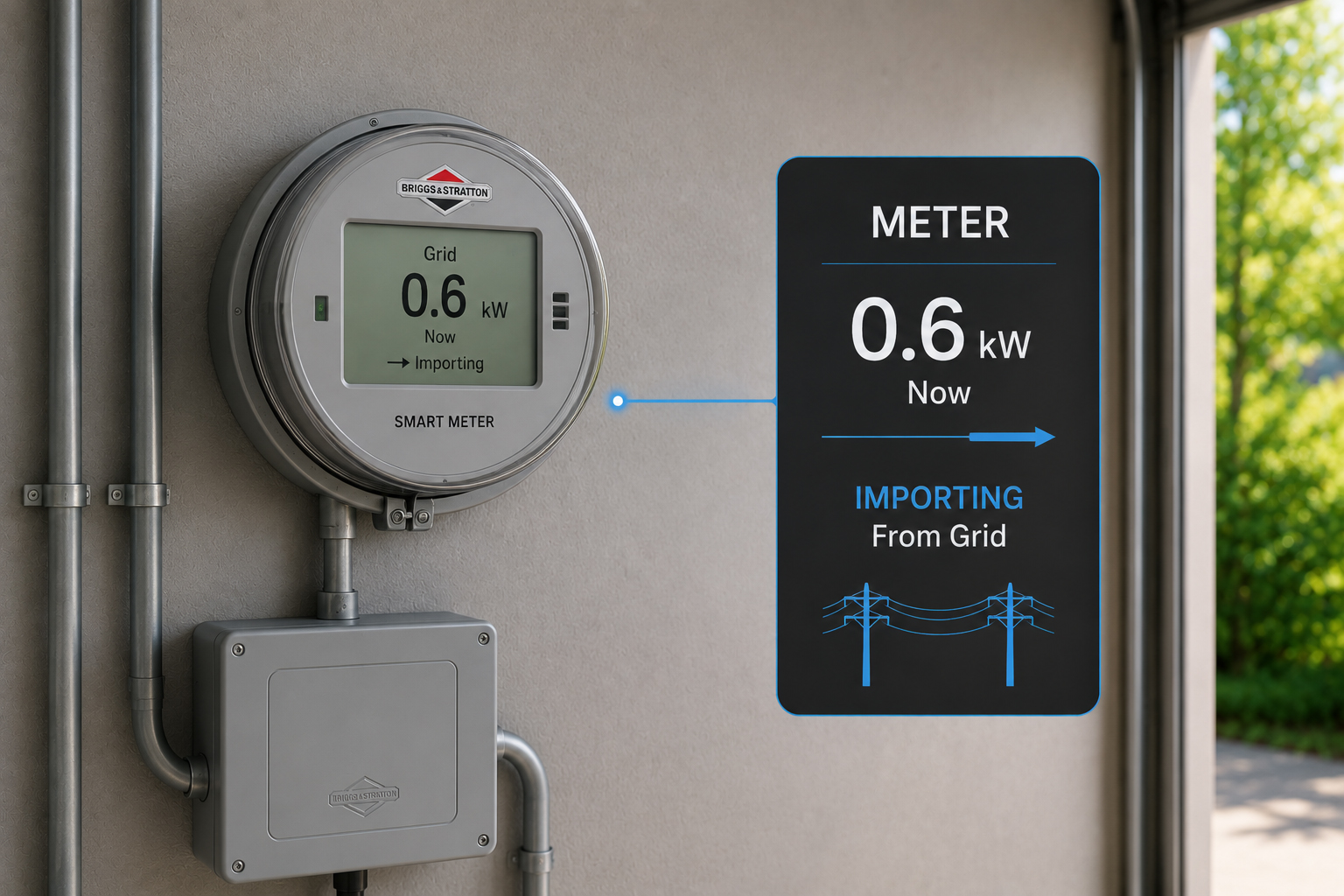
Utility meter showing solar home energy flow

5. Meter

The meter records interaction with the grid. Depending on utility rules, exported and imported kWh may have very different values.

Utility bill with lower purchased electricity

6. Avoided purchase

The 0Solar goal is to reduce purchased electricity by producing and using as much practical solar kWh as possible.

Solar kWh and batteries

Batteries help change the timing of solar value. They can store daytime solar kWh and make them available later.

Without batteries

Solar production is mostly used as it is produced. Extra electricity may be exported to the grid, depending on the system and utility rules.

With batteries

Some solar kWh can be stored for evening use, peak-rate management, backup support, or selected critical loads.

The 0Solar design question

The question is not only “How many panels?” The better question is: how many solar kWh can this customer actually use, store, and value?

A

How much electricity do you use?

Annual usage, seasonal usage, and daily load shape help determine what solar design makes sense.

B

When do you use electricity?

Daytime, evening, peak-hour, overnight, and weekend usage patterns can change system value.

C

What can be shifted?

Some loads can be scheduled to run during solar production hours, increasing self-use value.

D

What needs backup?

Critical loads should be identified clearly before designing batteries or backup circuits.

E

What does the utility pay?

Export credits, time-of-use rates, demand charges, and fixed charges affect how each kWh should be valued.

0Solar starts with the kWh.

Understand the kWh, and the whole solar conversation becomes clearer: produce it, use it, store it, value it, and buy less from the utility.