How 0Solar Works

0Solar

Produce solar kWh. Use them onsite. Store what you can. Buy less electricity.

0Solar is not a claim that solar panels are free. It is the goal of reducing purchased utility electricity by making your own usable solar kWh on your property.

0Solar means designing toward lower long-term electricity cost through owned energy production. Savings, utility charges, incentives, and financial results vary.

The simple idea: what you make, you keep.

A solar system turns sunlight into electricity. When that electricity is produced on your property and used by your home or business, it becomes a kWh you did not have to buy from the utility.

That is the foundation of 0Solar: not magic, not a loophole, not a “free solar” pitch — just the value of producing electricity where it is needed.
The 0Solar energy path

A good solar design is not just panels on a roof. It is a flow of energy: sunlight becomes electricity, electricity powers loads, batteries preserve value, and the utility becomes less central to daily life.

Sunlight striking rooftop solar panels

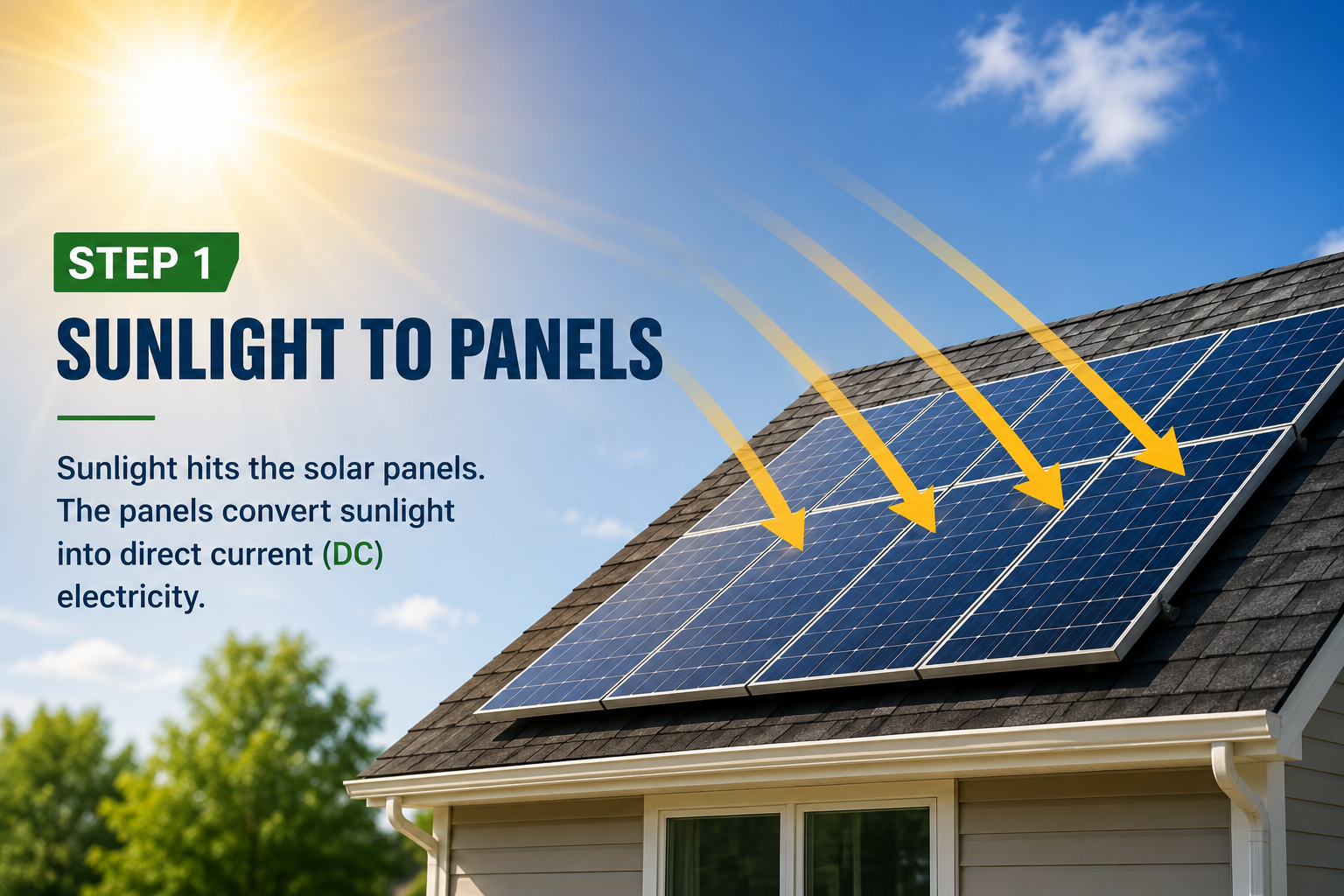
1. Sunlight hits the panels

Solar panels convert sunlight into direct-current electricity. The better the site, the better the roof space, and the better the design, the more useful production the system can create.

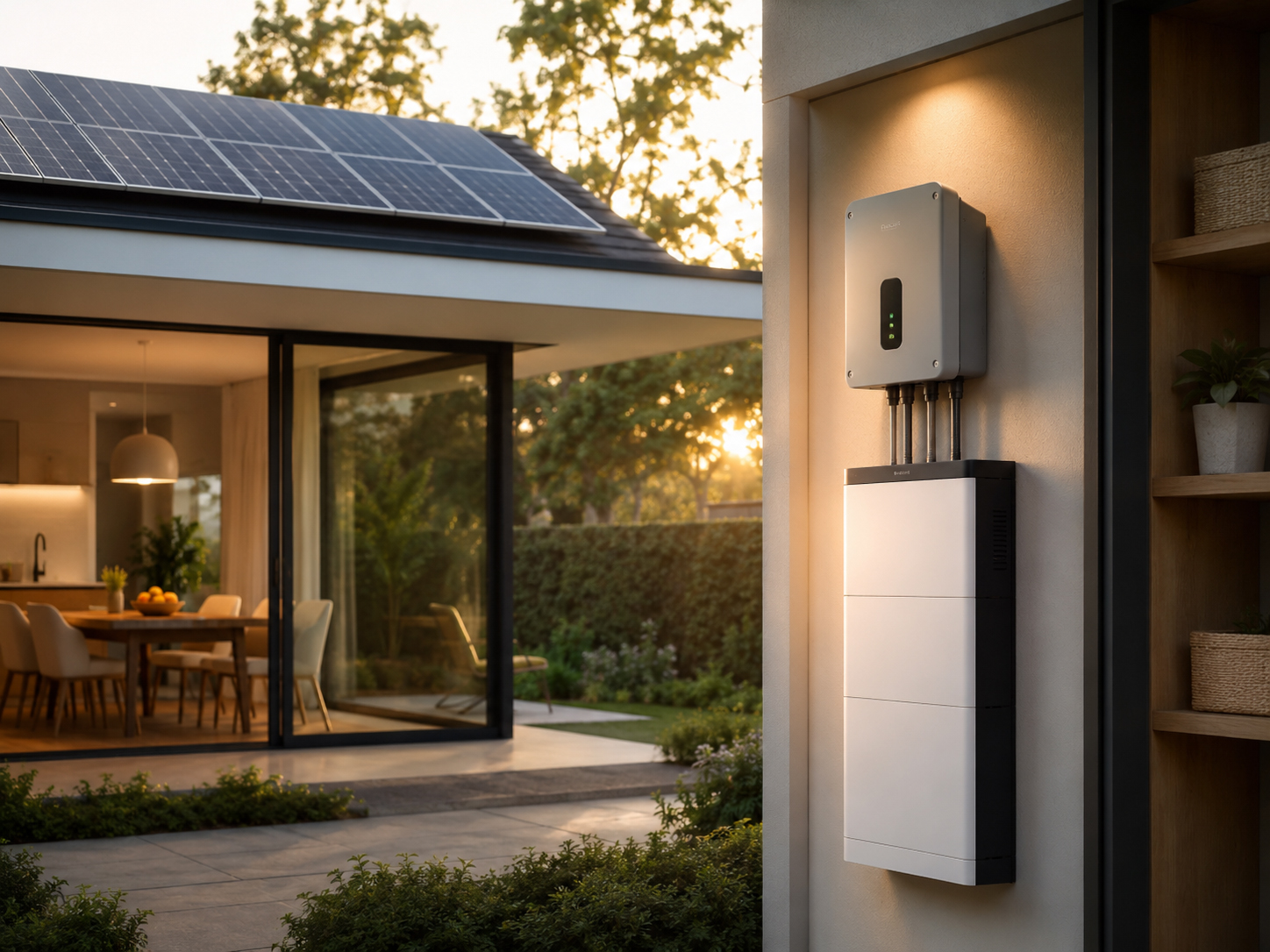
Solar inverter converting power for home use

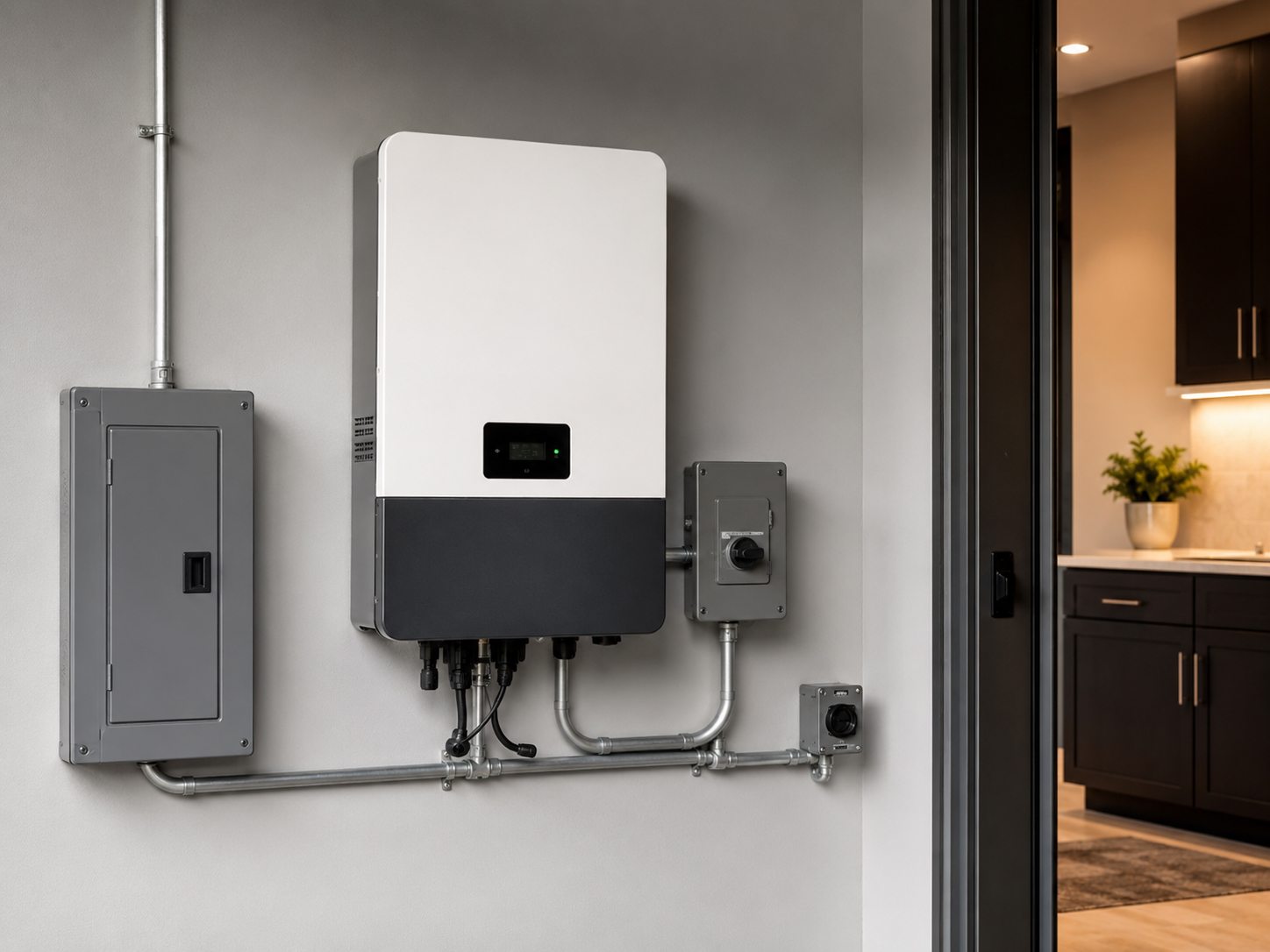
2. The inverter makes it usable

The inverter converts solar power into electricity your building can use. This is where solar production becomes practical power for real loads.

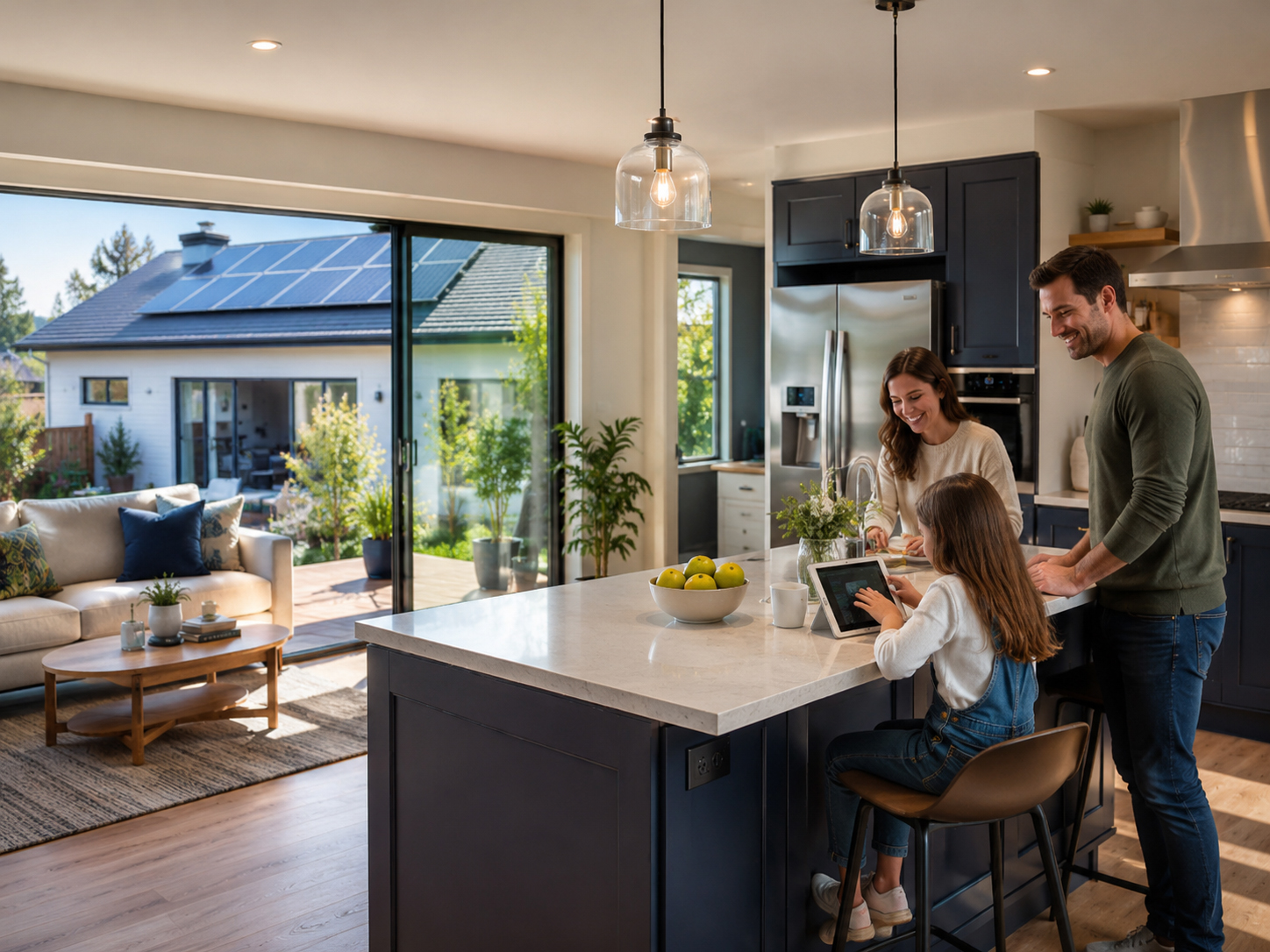
Home using solar electricity during the day

3. Your building uses it

When lights, appliances, air conditioning, refrigeration, computers, pumps, or other loads use solar kWh directly, those are utility kWh you avoided buying.

Battery storing solar electricity

4. Batteries can store it

Batteries can move solar value into evening hours, peak-rate periods, and outage situations. They do not make solar free, but they can make solar more useful.

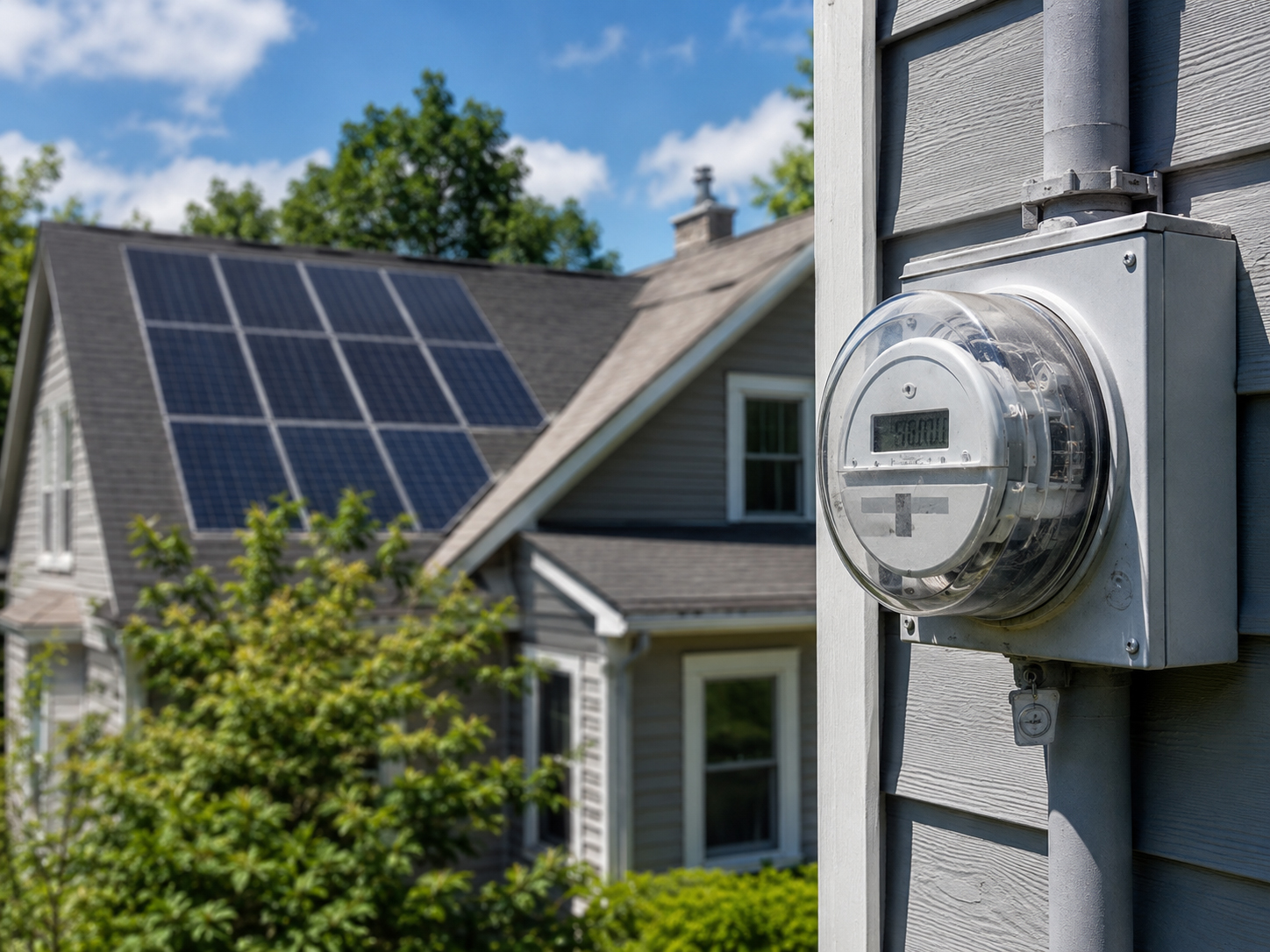
Utility meter next to a solar home

5. The meter buys less

The goal is to reduce purchased electricity. Depending on your utility and rate schedule, you may still have charges, fees, taxes, demand charges, or minimum bills.

Solar home as a long-term energy asset

6. Your property becomes an energy asset

The old model is to buy electricity forever. The 0Solar model is to invest in production and keep more of the value on your property.

Why self-use matters

Solar is strongest when production is matched to real onsite use. The more useful solar kWh you consume directly or store intelligently, the more value the system can deliver.

01

Daytime loads are valuable.

Air conditioning, refrigeration, pumps, office equipment, pool equipment, EV charging, and other daytime loads can use solar production directly.

02

Batteries can protect value.

Batteries can store daytime production for evening use, peak shaving, backup, and critical loads when designed for the customer’s real needs.

03

Export value is not the same as self-use value.

Utility export credits may be lower than retail purchase rates. That makes self-consumption and battery strategy increasingly important.

04

Design matters.

The right system size, orientation, equipment, battery capacity, and load strategy can make the difference between ordinary solar and a serious energy plan.

A solar kWh used onsite is a kWh you did not buy.

That is the working logic of 0Solar.

What 0Solar does — and does not — mean

This distinction matters. 0Solar is a direction and design goal. It is not a promise that every customer can eliminate every charge on every bill.

0Solar means

You make an investment in solar production. Your system produces kWh. You use and store those kWh to reduce the electricity you purchase from the utility.

0Solar does not mean

Free solar panels, free installation, guaranteed bill elimination, no utility charges, automatic tax credit eligibility, or identical results for every property.

Common examples

Different customers need different solar strategies. 0Solar starts with the customer’s actual electricity use, not a one-size-fits-all sales pitch.

Home with daytime solar loads

Home with daytime use

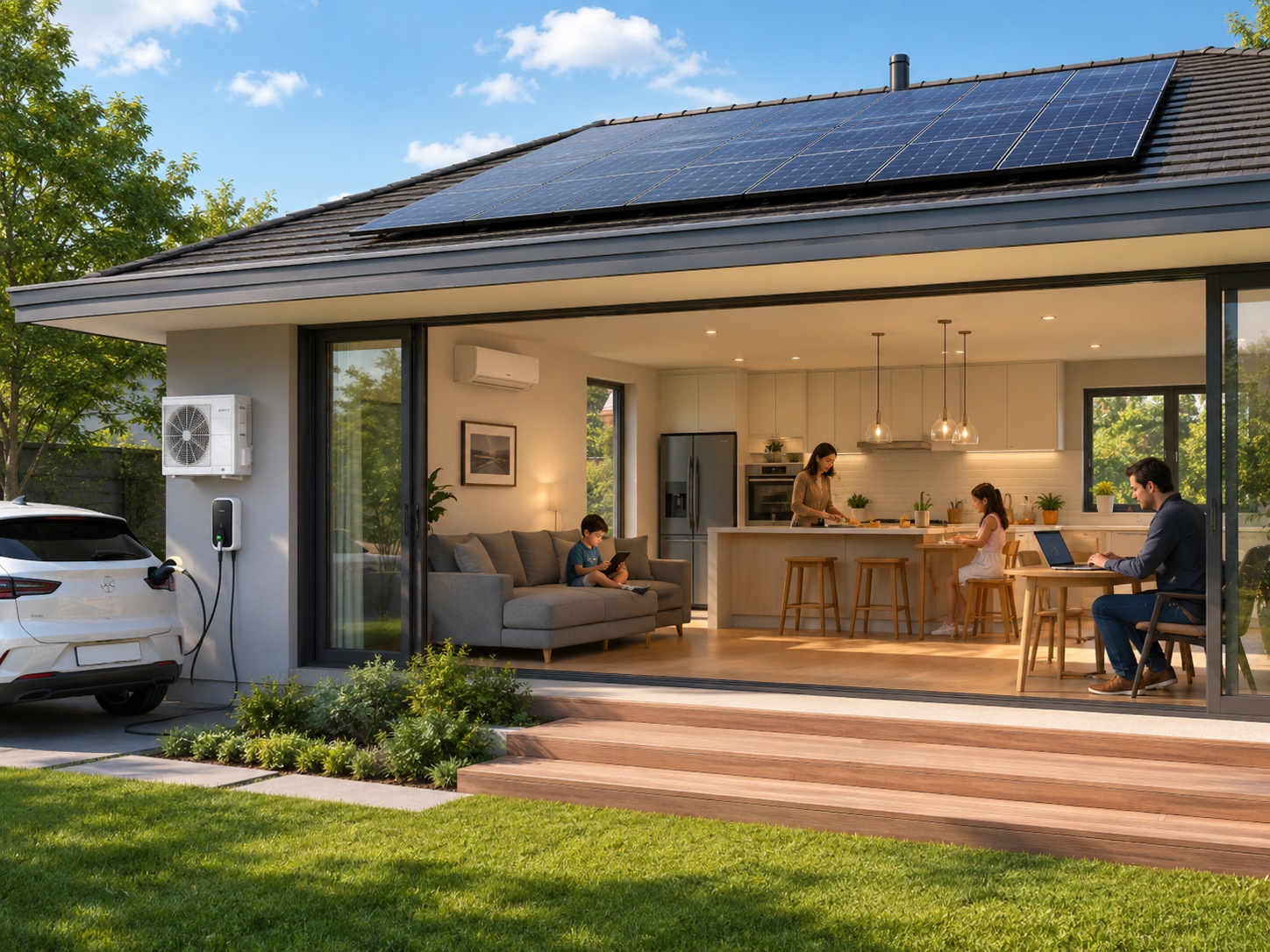
A homeowner with daytime air conditioning, pool equipment, EV charging, or remote-work loads may be able to use a meaningful share of solar production onsite.

Business rooftop solar system

Business with daytime operations

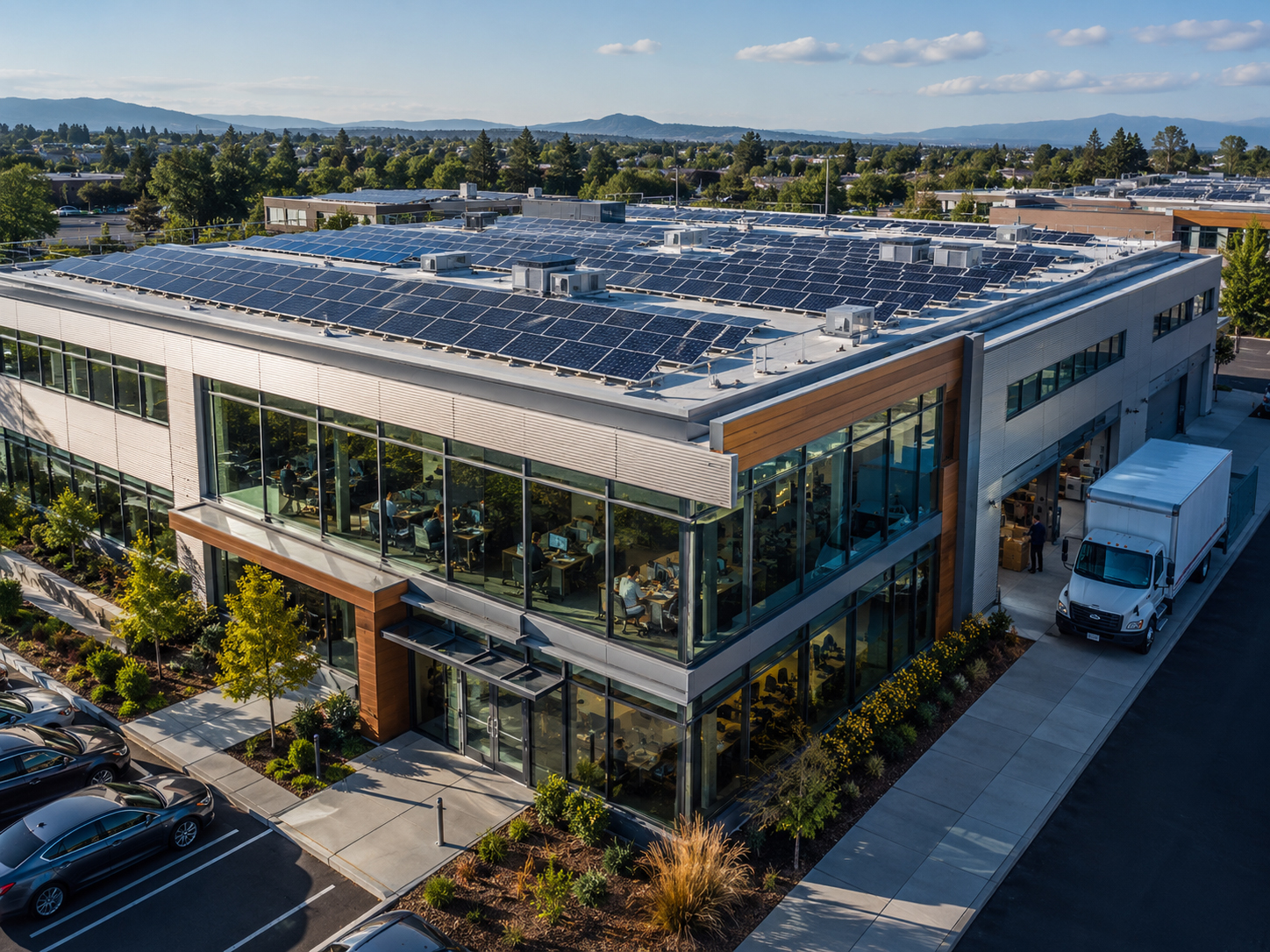
Businesses often use electricity during solar production hours, making commercial rooftops, warehouses, parking lots, and campuses strong candidates for solar value.

Battery system supporting critical loads

Critical loads and resilience

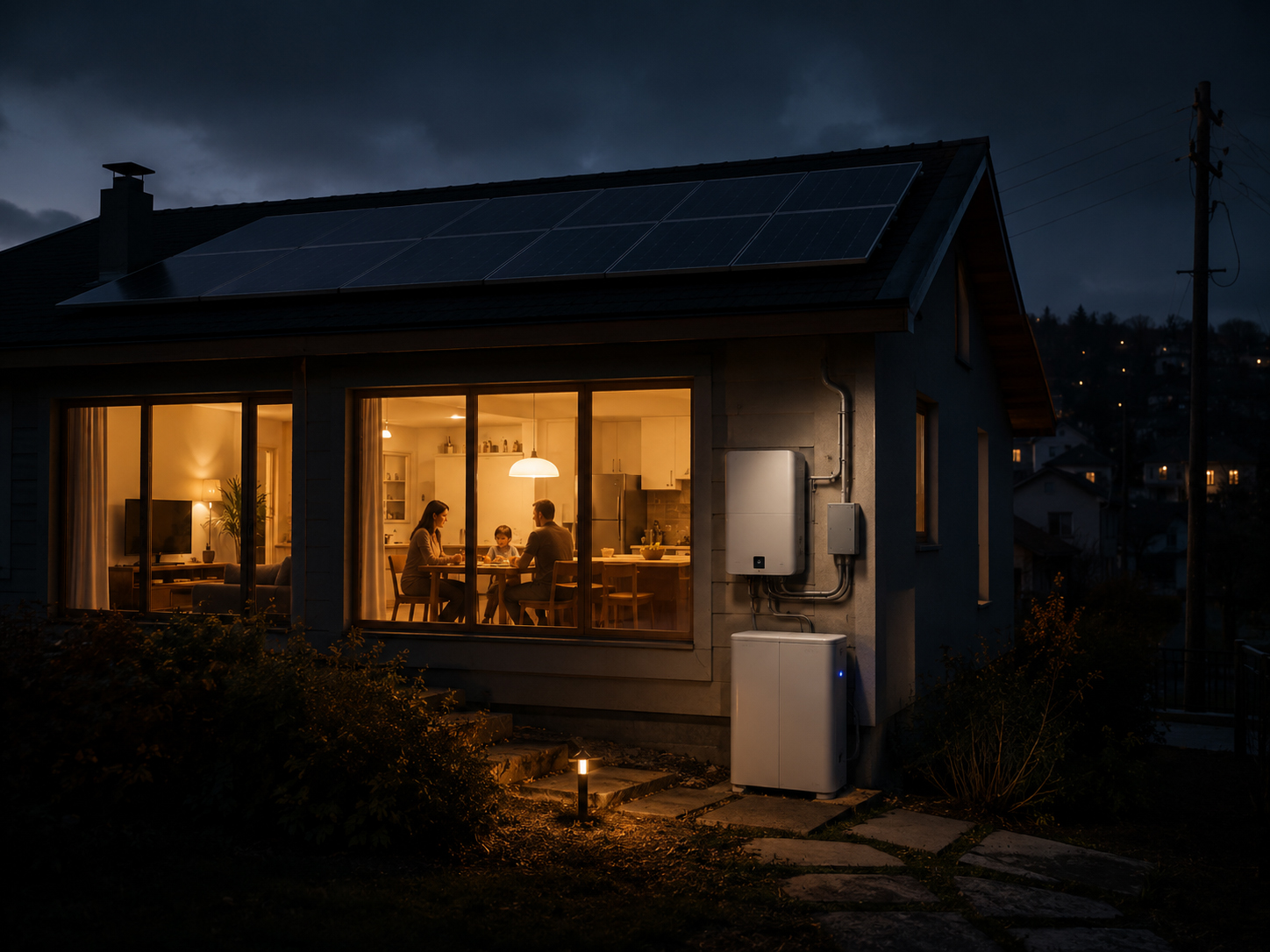
Solar plus batteries can be designed around selected critical loads, helping keep important circuits powered during outages when the system is properly configured.

Start with the electricity you want to stop buying.

That is the practical beginning of 0Solar: understand your usage, design production, use what you make, store what you can, and reduce purchased utility electricity over time.