Solar + Batteries

0Solar

Batteries help you keep more of the solar kWh you make.

Solar panels make electricity during the day. Batteries can store some of that solar electricity so it can be used later — in the evening, during peak-rate hours, or during outages when the system is designed for backup.

Batteries do not make solar “free.” They make solar more useful.

Battery performance and backup capability depend on system design, battery capacity, inverter capability, selected loads, state of charge, utility rules, weather, and installation configuration.

Solar makes the kWh. Batteries protect the timing.

A solar kWh has the most value when it can be used when you need it. Without batteries, extra daytime production may be exported to the grid. With batteries, some of that production can be stored for later use.

That matters because the value of electricity changes by time, rate schedule, export credit, outage risk, and customer need.

What batteries can do

Batteries are not one-size-fits-all. The design should match the customer’s real loads, rate schedule, backup needs, and solar production.

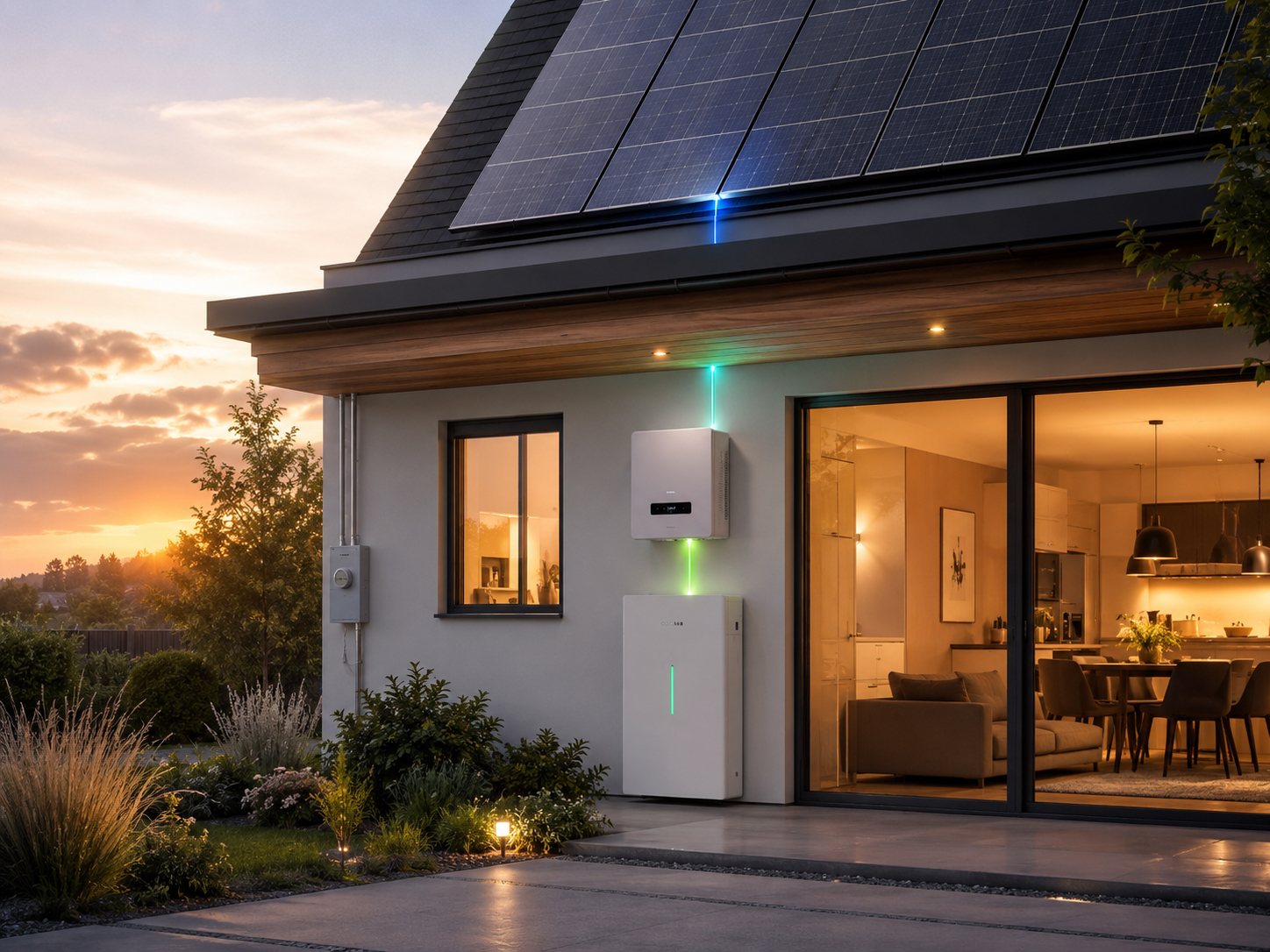
Solar battery powering evening home loads

Evening use

A battery can store daytime solar production and discharge it later when the sun is down and your home or business is still using electricity.

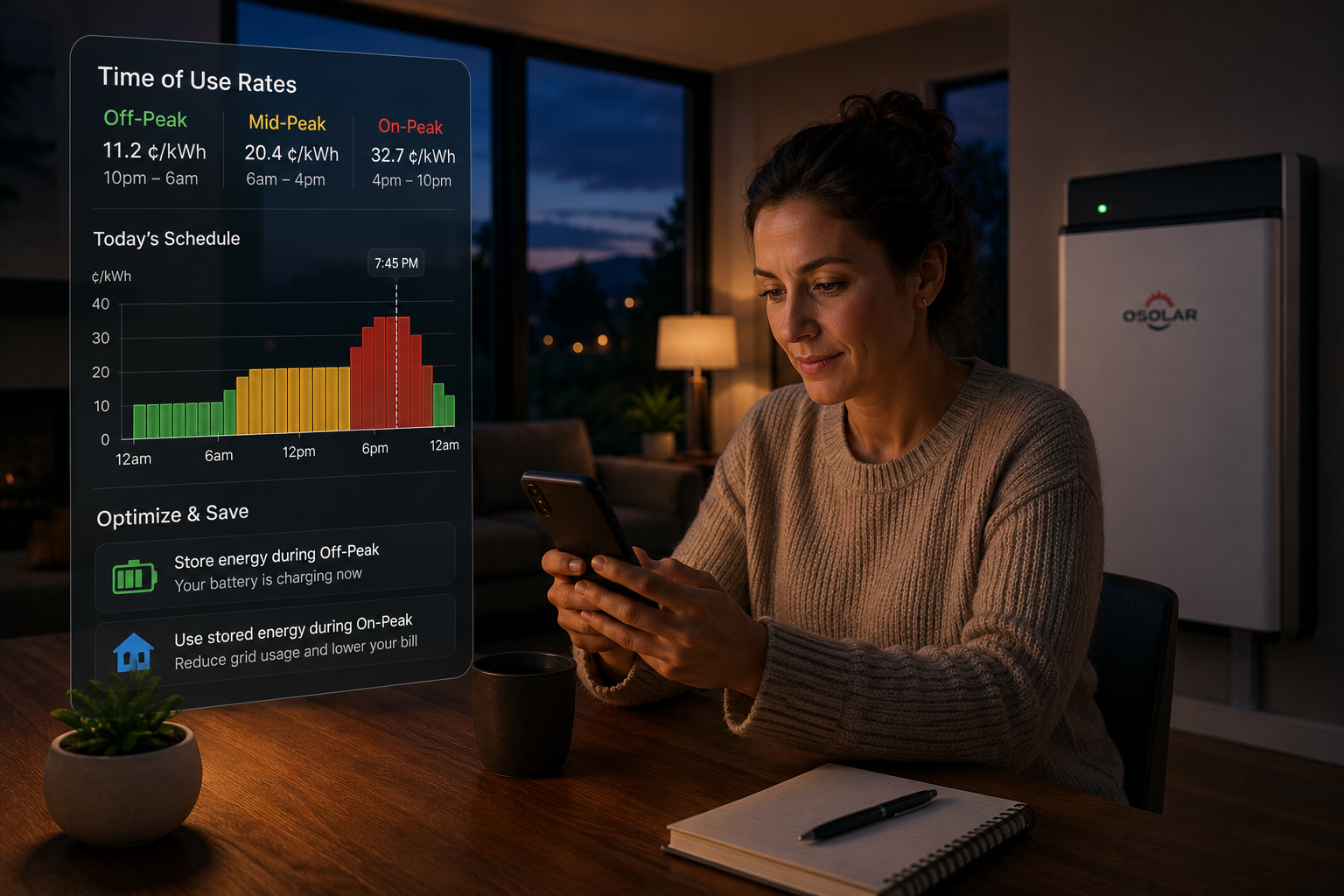
Battery helping reduce peak-rate electricity purchases

Peak shaving

In time-of-use or demand-rate environments, batteries can help reduce purchases during expensive periods when properly configured.

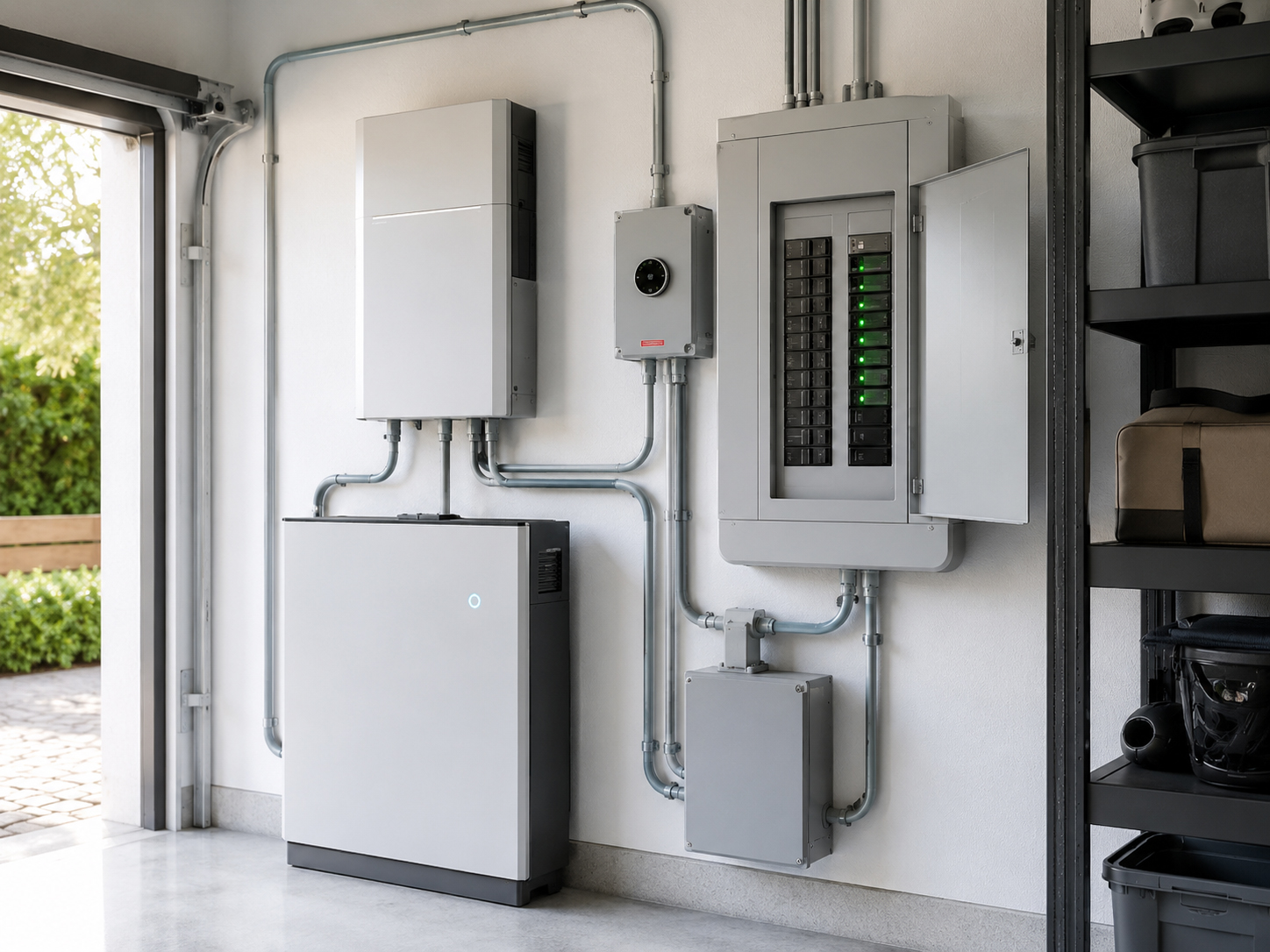
Critical loads backup panel for solar battery system

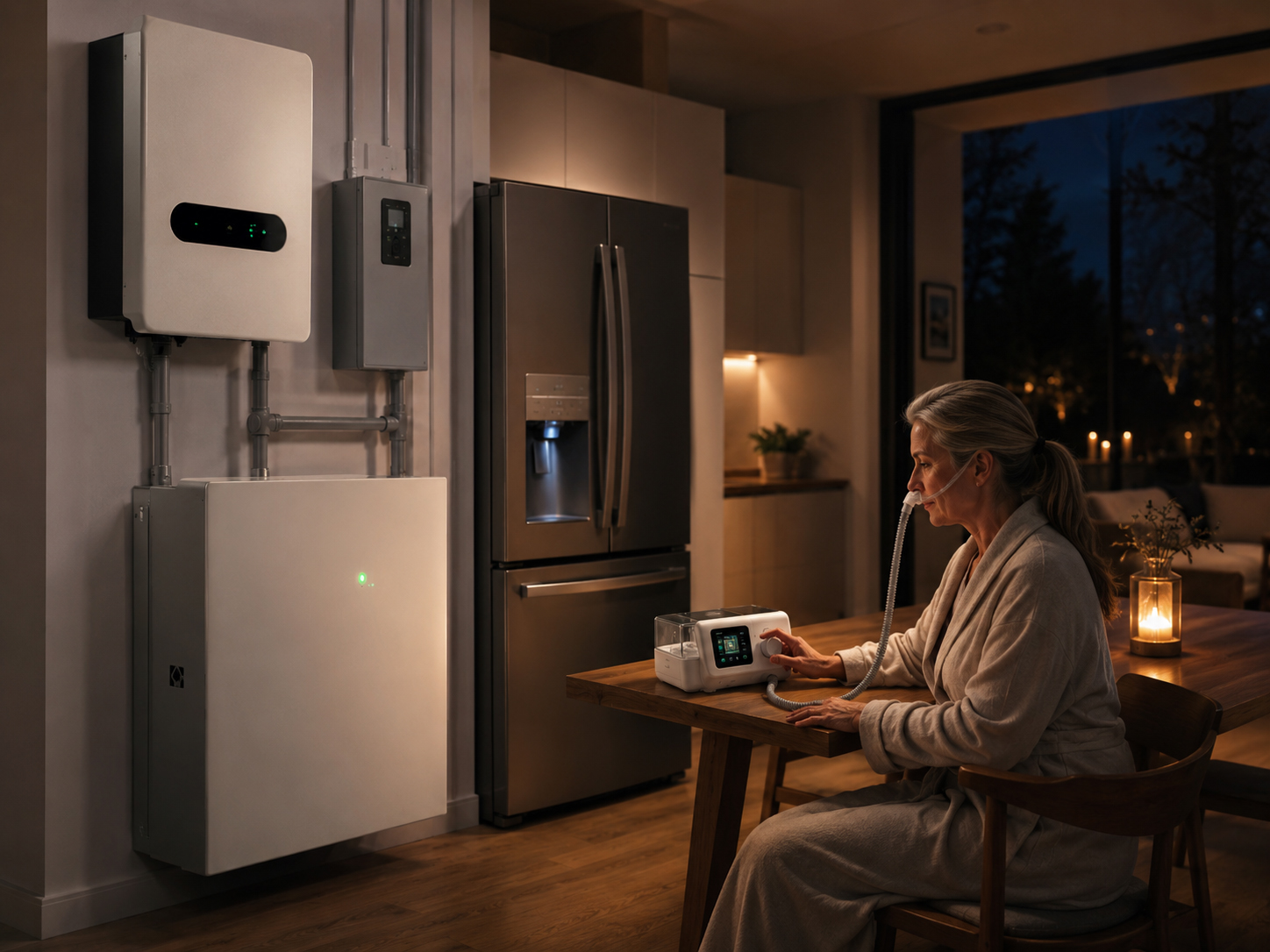
Critical loads

Batteries can support selected circuits during an outage, such as refrigeration, lights, medical equipment, internet, outlets, or other priority loads.

Battery storing solar electricity instead of exporting it

Store instead of export

If export credits are low, storing solar kWh for later use may be more valuable than sending those kWh to the grid.

Home with solar battery backup during a neighborhood outage

Outage support

A properly designed battery system can keep selected loads operating during outages. The duration depends on battery size, load size, solar conditions, and configuration.

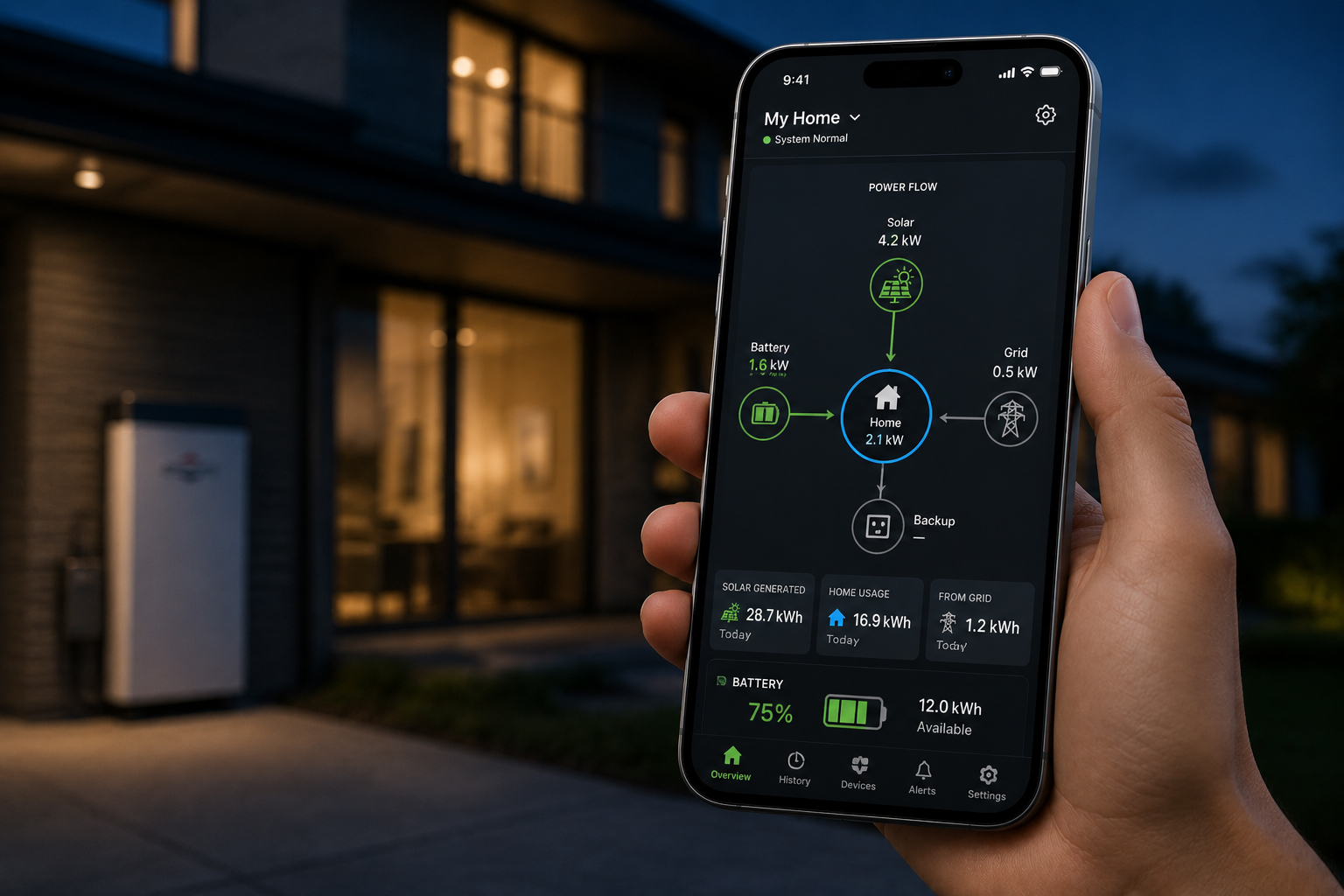
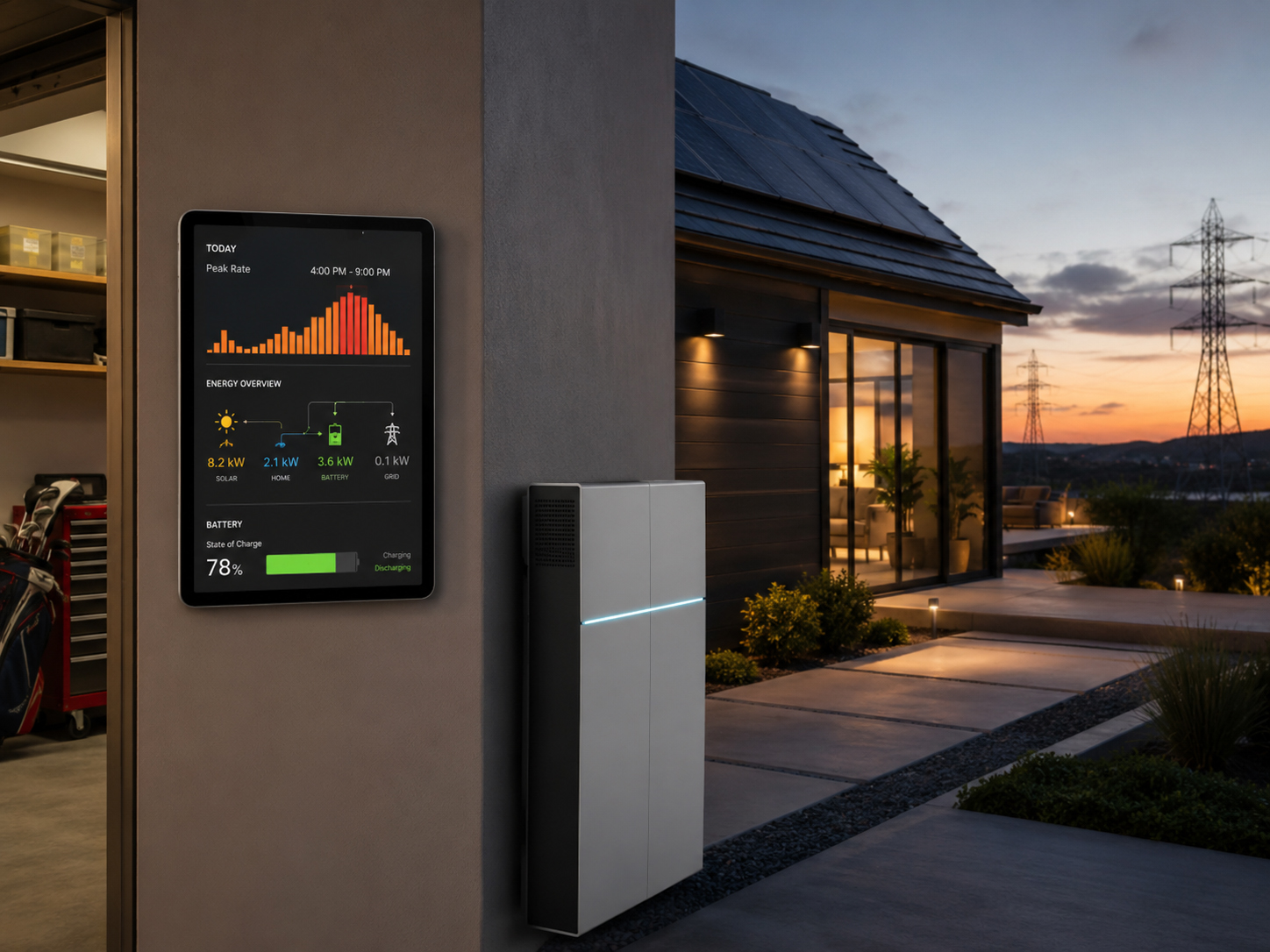
Battery monitoring app showing solar energy flow

Energy awareness

Monitoring can help customers understand when solar is producing, when batteries are charging, and when the building is buying from the utility.

The battery design questions

A battery discussion should begin with real needs, not slogans. “Backup” can mean many different things.

01

What loads must stay on?

Refrigeration, lights, internet, garage doors, medical equipment, water pumps, office equipment, and outlets may have very different power needs.

02

How long should backup last?

A few hours, overnight, multiple days, and off-grid operation are different design problems. Battery size must match the expectation.

03

How much power is needed at once?

Battery capacity is not the same as output power. Starting motors, HVAC equipment, pumps, and large appliances can require high surge capability.

04

Can solar recharge the battery?

During an outage, some systems can recharge from solar while islanded. That capability depends on the equipment and configuration.

05

What utility rules apply?

Interconnection, export limits, rate schedules, incentives, battery operating modes, and backup configuration can be affected by utility requirements.

Batteries do not create solar value. They preserve it.

That is why storage is central to the 0Solar idea.

Backup power: honest expectations

Backup power is one of the biggest reasons customers want batteries. It is also one of the easiest areas to oversell.

Honest backup language

“This system is designed to support selected loads for a certain expected duration, subject to battery state of charge, solar production, weather, and actual usage.”

Bad backup language

“This battery powers everything forever.” “You will never need the grid.” “The whole house will run exactly like normal during any outage.”

Battery value depends on the situation

Batteries can be valuable for different reasons. A good proposal should explain which reasons apply to the customer.

Homeowner battery storage for evening rates

Homeowners

Batteries can help homeowners use more of their solar production at night, reduce peak-hour purchases, and support selected outage loads.

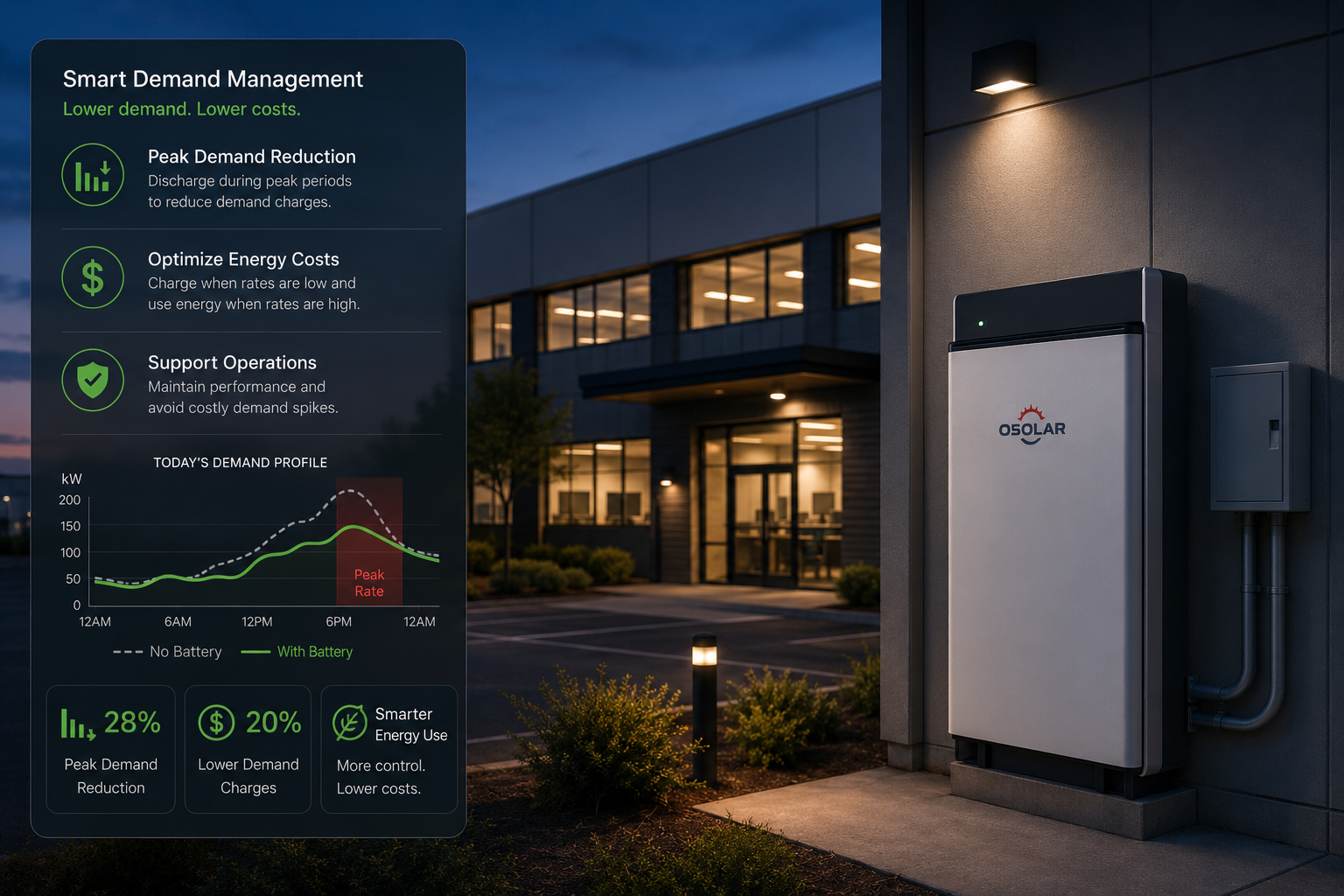
Commercial battery storage and demand management

Businesses

Batteries may help businesses manage demand charges, preserve operations, support critical equipment, and improve control over energy costs.

Battery backup supporting medical and refrigeration loads

Resilience

Backup power can protect comfort, refrigeration, communications, medical needs, business continuity, and safety during outages.

The 0Solar battery principle

Batteries should be designed around actual value, not fear or hype.

A

Use solar first.

The best solar kWh is often the kWh used directly by the building while it is produced.

B

Store the excess strategically.

Store solar kWh when later use is more valuable than exporting them immediately.

C

Protect critical needs.

Backup circuits should be chosen carefully so batteries support the loads that matter most.

D

Avoid fantasy sizing.

Battery size, inverter output, and expected duration must match actual loads.

E

Tell the truth.

Battery systems are powerful tools, but honest expectations make better customers and better systems.

Store what you can. Use what matters.

Batteries make 0Solar stronger by helping customers preserve the value of the solar kWh they produce. The right design begins with real loads, real goals, and honest expectations.